How to Use Video in Paid Social Effectively
10/20/20254 min read
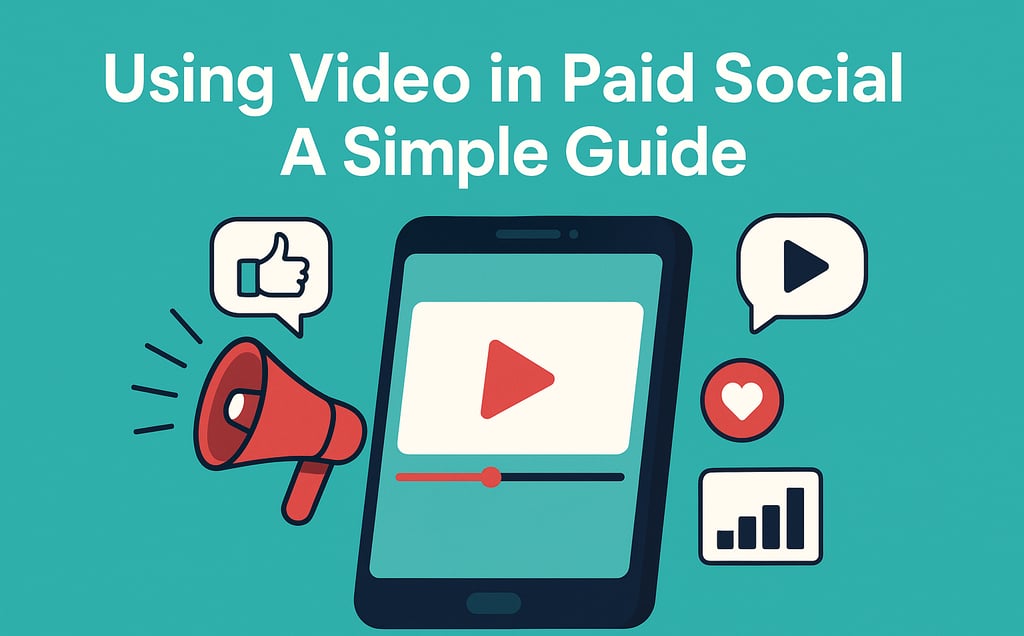
Using Video in Paid Social: A Simple Guide
Introduction
If you’re not using video in your paid social ads yet, you’re missing out. Video is one of the most powerful tools for grabbing attention and driving results on platforms like Facebook, Instagram, TikTok, and LinkedIn. People love watching videos, and they are more likely to engage with a video than with a still image or a block of text.
In this post, you’ll learn how to use video in paid social campaigns effectively. We’ll cover best practices, platform-specific tips, and real examples that show what works. You’ll also discover why video helps increase ROI and how to keep your audience watching. If you're ready to make video ads work for your business, keep reading.
Our main keyword is “video in paid social,” and we’ll also include secondary keywords like “video ad strategy” and “paid social video tips.”
Why Video Works So Well in Paid Social
Video is more than just eye-catching. It connects with users in ways that text and images can’t.
Video Gets More Engagement
Social media videos generate 1200% more shares than text and images combined. (G2, 2023)
54% of consumers want to see more video content from brands. (HubSpot, 2024)
Videos Build Trust Faster
People process visuals 60,000 times faster than text. (3M Corporation)
Seeing a product or person in action builds credibility and emotional connection.
Short Attention Spans Prefer Video
Most users scroll quickly. Auto-play videos can stop the scroll and deliver a message in seconds. On mobile, short-form video reigns supreme.
Choosing the Right Platforms for Video Ads
Each platform treats video differently, so tailor your content to fit.
Facebook and Instagram
Use square (1:1) or vertical (4:5) formats for mobile.
Keep videos under 15 seconds for better performance.
Add captions since many people watch without sound.
Experiment with Stories and Reels for immersive experiences.
Pro Tip: Use Meta’s Creative Hub to preview how your video looks in different placements.
TikTok
Create native-looking content instead of polished, ad-like visuals.
Hook viewers within the first 3 seconds.
Use music, on-screen text, and trending effects.
Keep videos under 30 seconds, ideally under 15.
Example: A skincare brand showed a quick morning routine that felt authentic and earned 500K views in one week.
Target B2B audiences with expertise-driven or behind-the-scenes content.
Always add subtitles, since most users browse silently.
Keep videos short, ideally under 1 minute.
Lead with clear messaging in the first few seconds.
Example: A SaaS company used a customer success story and achieved a 3x boost in click-through rate compared to static posts.
Best Practices for Creating High-Performing Video Ads
Keep It Short and Focused
Deliver the core message within the first 5 to 10 seconds.
Stay under 30 seconds unless telling a deeper story.
Always end with a clear call to action (CTA).
Use Clear Branding, But Don’t Overdo It
Show your product or logo early, but make it feel natural.
Place your logo within the first 3 seconds, while focusing on storytelling.
Design for Sound-Off Viewing
Since 80% of users watch videos without sound, always include:
On-screen text or captions
Strong visuals to carry the message
Tool Tip: Use Kapwing or VEED to add captions easily.
Test Multiple Versions
Try different hooks, lengths, and CTAs. Run A/B tests to identify what resonates best.
Ads with A/B tested creatives perform 35% better than those without testing. (Google Ads, 2024)
Structuring Your Video for Maximum Impact
Here’s a proven format for paid social video ads:
Hook (0–3 seconds): Grab attention with a question, bold statement, or eye-catching action.
Value (4–10 seconds): Show the benefit or problem you solve.
Proof (11–20 seconds): Add testimonials, demos, or results.
Call to Action (final seconds): Tell viewers what to do next, such as click, swipe, or buy now.
Example: A food brand used this format for a 15-second recipe demo with a CTA to order ingredients, resulting in double the conversions.
How to Measure Video Ad Success
You can’t optimize without measuring performance.
Key Metrics to Track
View-through rate (VTR): How many watched until the end?
Click-through rate (CTR): Did they take action?
Engagement: Likes, comments, and shares.
Conversion Rate: Sign-ups, purchases, or goal completions.
Tool Tip: Use Meta Ads Manager or Google Analytics to track results.
Adjust Based on Performance
Low view rates? Strengthen your hook.
Low CTR? Improve your CTA.
Use performance insights to refine your approach.
Tools and Resources to Boost Your Video Strategy
Canva: Quick video editing and branding.
InVideo: Templates for ad-ready content.
Animoto: Easy drag-and-drop video creation.
Meta Creative Hub: Preview ad formats on Facebook/Instagram.
TikTok Creative Center: Explore trending content and ad inspiration.
Common Mistakes to Avoid
Making videos too long (over 60 seconds usually underperforms).
Forgetting captions for sound-off viewers.
Skipping a clear CTA.
Over-polishing content, which can feel inauthentic on TikTok.
Ignoring data and failing to optimize based on performance.
Conclusion
Using video in paid social isn’t just a trend, it’s a proven strategy for results. Video helps you stand out, build trust, and drive more engagement than static content. By tailoring your approach to each platform, following best practices, and testing consistently, you set yourself up for success.
Start small, keep it simple, and scale from there. Your video doesn’t need to be perfect, it just needs to connect. If you’re ready to grow your brand with video in paid social, start testing today.
Need help with your video ad strategy? Contact us or subscribe for more marketing insights.
Citations
HubSpot (2024). State of Marketing Report. https://blog.hubspot.com
G2 (2023). Social Video Marketing Stats. https://www.g2.com/articles/video-marketing
Google Ads (2024). Creative Best Practices. https://ads.google.com
3M Corporation. Visual Communication Statistics. https://www.3m.com
Meta Business (2024). Creative Hub Guide. https://www.facebook.com/business/tools/creative-hub
TikTok Creative Center (2024). Ad Inspiration and Trends. https://ads.tiktok.com/business/creativecenter
Connect
Your partner in marketing and digital growth.
Resources
Inspire
© 2024. All rights reserved.
Portfolio
Explore
Reelflow Pro(Coming soon)